
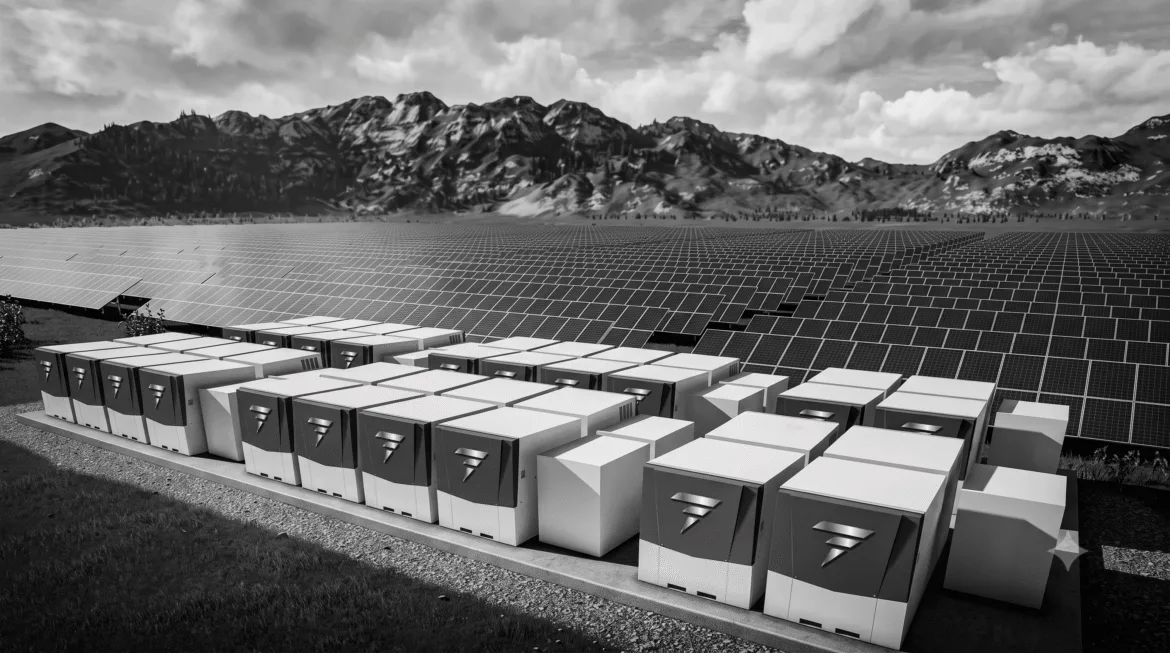
HYDERABAD, India – 30 December 2024 – PURE EV has accelerated its circular manufacturing operations in India. The electric vehicle manufacturer is expanding sustainable electric two-wheeler solutions across domestic urban markets. The company has successfully integrated a 125 KW solar power system and 500 KWh of Energy Storage Solutions (ESS) with its grid and diesel generator (DG) systems at its Telangana facility. The system utilises repurposed lithium-ion (Li-ion) modules from retired two-wheelers.
This integration, as compared to last fiscal year, is claimed to reduce electricity and DG fuel expenses by 60 and 65 percent, respectively. The company said to achieve these benchmarks in three months of installation. Additionally, integrating the ESS with the grid and solar systems will lead to further reduction of 50 percent in peak load KVA charges.
The 500 kWh ESS itself is composed entirely of refurbished units collected through a customer exchange program, where users traded older models for PURE EV’s fifth-generation high-performance batteries.
In-House Battery Repurposing Architecture
The engineering team developed an in-house protocol for end-of-life battery packs. Returned batteries from electric vehicles (EV) undergo automated health diagnostics. Each module is evaluated for electrochemical stability and internal cell resistance.
Dr. Nishanth Dongari, Founder and Managing Director of PURE EV, emphasized the strategic alignment of this project: “Our genesis lies in Power Using Renewable Energy (PURE), and we are thrilled to see our actions align with this philosophy. By leveraging solar energy and cutting-edge storage technology, we are reducing environmental impact and operational costs.”
Technicians categorise modules based on remaining retention capacity and impedance. Units with over 70 per cent residual capacity qualify for secondary stationary use. Packs undergo thorough thermal stress screening and cell rebalancing protocols. The repurposed packs incorporate patented thermal management systems. These systems maintain safe operating temperatures under extreme Indian climate conditions. Artificial Intelligence (AI) telemetry monitors cell temperature and voltage fluctuations continuously.
“Industrial decarbonisation requires practical circular lifecycle management for automotive batteries,” stated a senior company representative. “Repurposing modules into stationary storage lowers manufacturing overheads while reducing industrial carbon footprints.”
The company assembles these tested modules into scalable industrial energy banks. These units supply backup electricity during peak manufacturing shifts. The factory operates testing rigs and assembly lines on this stored clean energy.
“Engineering second-life battery safety demands precision thermal controls and cell-level monitoring,” noted the Chief Technology Officer (CTO). “Our patented thermal architecture ensures dependable performance in stationary operating environments.”
Operational Gains and Corporate Net-Zero Roadmap
The solar-ESS deployment forms a key pillar of the corporate net-zero roadmap. By offsetting peak grid power tariffs, the factory achieves substantial financial savings. The 125 kW rooftop solar array generates reliable green electricity daily. The 500 kWh storage bank stores excess solar generation effectively. This arrangement prevents energy wastage and stabilises on-site factory power quality. Lower diesel fuel reliance reduces annual greenhouse gas emissions significantly.
The company plans to replicate this circular architecture across future regional facilities. The model offers an industrial blueprint for zero-emission two-wheeler production. Management aims to source 80 per cent of factory power from clean generation by 2028.
Sector Landscape and Regulatory Dynamics
India’s transition toward clean urban mobility has accelerated electric two-wheeler adoption. Domestic sales volumes of battery-powered scooters and motorcycles continue to expand rapidly. However, battery end-of-life handling presents critical environmental and logistical challenges.
The Ministry of Environment, Forest and Climate Change introduced the Battery Waste Management Rules. These regulations mandate strict Extended Producer Responsibility (EPR) targets for all vehicle manufacturers. Automakers must collect and recycle retired traction batteries systematically.
Repurposing traction batteries into secondary storage offers substantial economic advantages. A recent sector analysis on second-life EV batteries highlights growing commercial demand. Stationary storage bridges the gap between automotive retirement and final material recycling. India experiences high ambient temperatures that accelerate electrochemical degradation in traction cells. Developing climate-resilient battery packs remains a technical priority across the sector. Robust thermal management prevents thermal runaway and extends cell cycle life.
Grid stability concerns also accelerate industrial interest in commercial energy storage. The growth of grid-scale energy storage systems supports renewable energy integration nationwide. Distributed factory storage reduces stress on local distribution infrastructure during peak hours. Rising demand for electric two-wheeler solutions intensifies pressure on critical raw material supply chains. Circular repurposing mitigates immediate demand for virgin lithium, cobalt, and nickel minerals. Secondary use extends the functional utility of imported battery materials before hydrometallurgical processing.
Strategic Outlook and Commercial Expansion
PURE EV continues to expand its core electric two-wheeler portfolio across domestic markets. The manufacturer plans new high-speed commuter models for commercial fleet operators. Expansion targets tier-two and tier-three urban centres nationwide.
The company will scale its authorised dealership and service footprint to 300 locations. Each service hub will function as a collection node for retired battery packs. This infrastructure ensures consistent supply for secondary storage manufacturing.
Beyond captive factory usage, the company explores commercial energy storage solutions for institutional clients. Small commercial enterprises require modular, cost-effective backup storage systems. Repurposed battery banks provide an affordable alternative to traditional diesel backup generators.
The firm is collaborating with regional renewable energy contractors on modular microgrid deployments. These partnerships will validate second-life battery durability in diverse industrial applications. Continuous telemetry data will inform next-generation vehicle battery design improvements.
Leave a Reply